I have always written books the same way I journal. Slowly. Honestly. Without trying to impress anyone. I never sit down thinking about what a book should sound like. I sit down thinking about what I need to say, and what I wish someone had said to me when I was in it.
Books, for me, are longer conversations. They are what happens when a question will not leave me alone. When a feeling keeps showing up in different seasons of my life and asks to be understood instead of rushed past.
Love Lost Love Found (you can find it here: Love Lost, Love Found on Amazon) was written during a time when love felt confusing and unfinished. I was trying to understand how something can hurt you and still shape you. How you can grieve a version of love while still believing in it. That book came from sitting with my own questions about attachment, hope, disappointment, and the quiet ways love teaches you about yourself. I wrote it without pretending I had everything figured out. I wrote it while still learning. Love Lost Love Found is a conversation about heartache that does not try to be pretty. It is direct, honest, sometimes raw, and unapologetic about what it asks you to look at. I wrote it from the gut of experience, from nights when I did not understand why love left me hurting and days when I discovered that letting go was part of learning how to love myself. That book was not crafted in a day; it came from living through loss, talking to women who felt unseen, and trying to give language to the blurry territory between loving someone and knowing you deserve better. The questions it asks aren’t easy, but they are the ones I wanted someone to ask me when I needed them most.
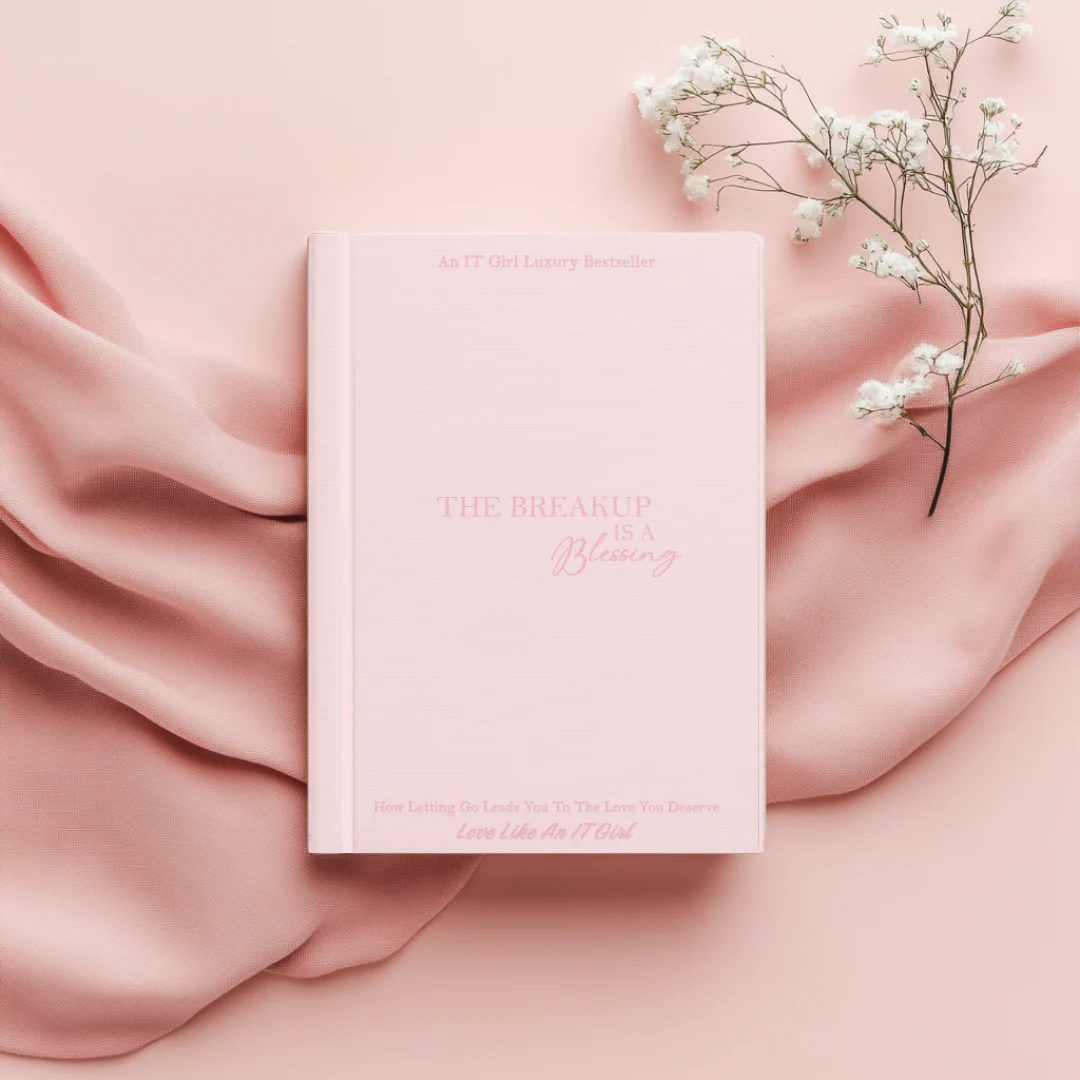
The Breakup Is A Blessing (you can find it here: The Breakup Is A Blessing ) came later, after I had enough distance to see things clearly. That book is more direct. It is about perspective. About how endings rearrange you, even when you did not ask for it. I wrote it because I kept noticing how breakups are treated like failures, when in reality they are often redirections. The pages hold thoughts about release, self-respect, timing, and the lessons you only recognize once you stop fighting what ended. This book is a deeper dive into what happens after the ending. It came from the realization that breakups are not failures, they are invitations. They are moments that ask you to rebuild your sense of worth, not around someone else’s love, but around your own. This book is practical and emotional, with prompts and ideas that help you let go of old patterns, reclaim your confidence, and see endings as beginnings rather than losses. It is for the person who feels stuck between love’s memory and the possibility of something better.
Neither book was written to tell anyone what to do. They were written to sit with the reader. To say, this is what it looked like for me. This is what I noticed. This is what I learned by paying attention.
Writing books feels similar to journaling, just on a larger scale. I am still asking myself questions. I am still listening for the answer. I am still letting the truth come out in its own way. The difference is that a book asks you to stay with the conversation longer. To sit with the feeling across chapters, not just pages.
People sometimes ask if writing books was hard. The writing itself was not. The honesty was. Telling the truth in a way that feels grounded and clear takes time. I rewrote sections. I paused. I waited until I could say things without bitterness, without defensiveness, without trying to sound healed.
My books exist for people who think deeply, love deeply, and feel things fully. For people who need language for what they are going through, not advice shouted at them. They are meant to be read slowly, picked up again, underlined, returned to when life brings up something familiar.
I write books the same way I write everything else. With care. With intention. With respect for the reader and for myself.
They are not meant to rush you forward. They are meant to sit with you right where you are.